Explore the sprawling Savannahs of Masai Mara National Reserve & it’s Elegant Plains Game
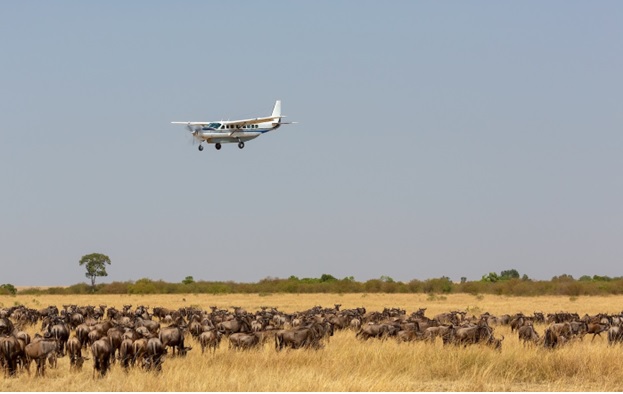
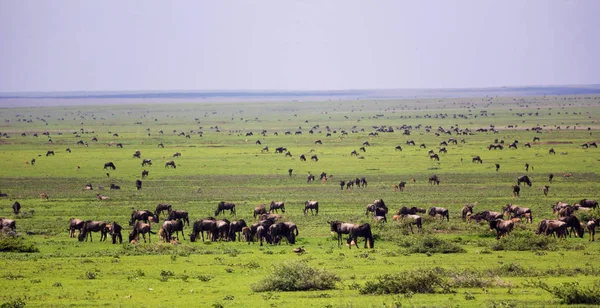
If you’ve ever found yourself standing in the savannah, watching a herd of gnus (also known as wildebeest) calmly grazing, you might notice something unusual about a few individuals in the bunch. Some of these gnus have facial hair—thick, bushy beards that would make any lumberjack proud. These dapper creatures are the bearded gnus, a stylish subset of the wild. Join our safari in the wild
But what is the deal with their beards? Are they part of some kind of gnu fashion trend, or perhaps a survival tactic to ward off predators?
The Gnu-volution of Facial Hair
It turns out, the bearded gnu’s facial hair isn’t purely aesthetic. These gnus are, after all, not known for their vanity. In fact, the bearded look may play a role in attracting mates. Just like how a full beard might be a sign of masculinity in some human cultures, it’s possible that these gnus sport their beards to show off their robust health and superior genetics. After all, in the animal kingdom, a thick mane of hair (or in this case, beard) can signal vitality.
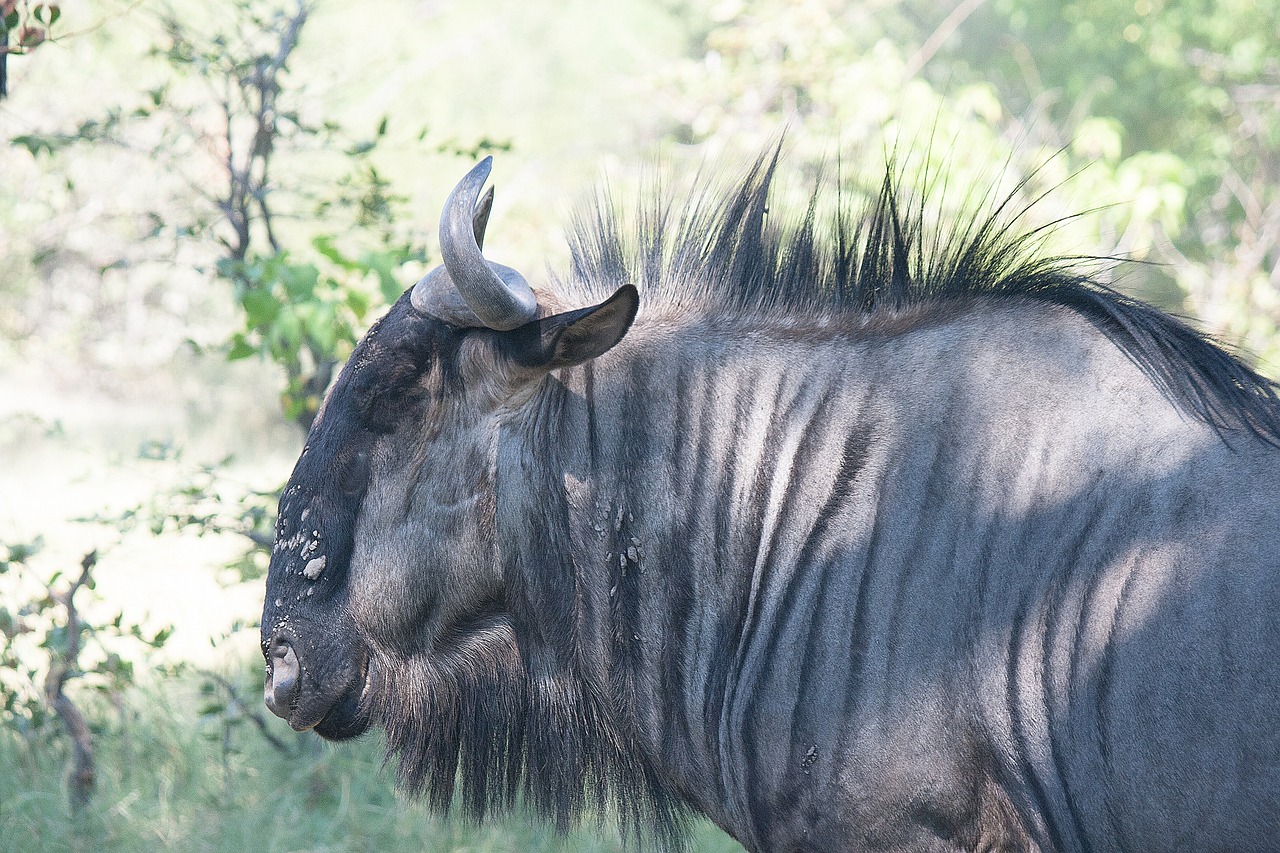
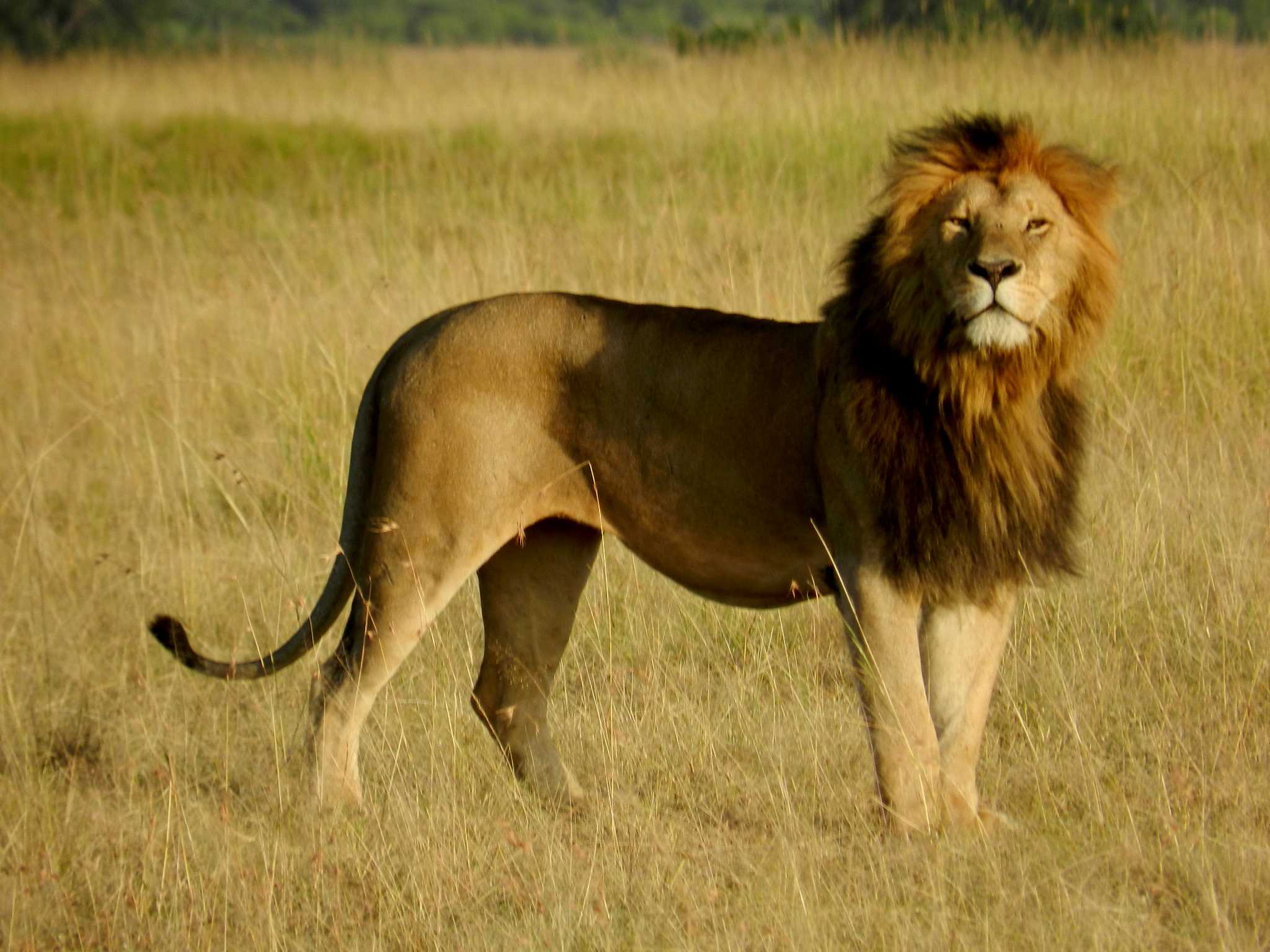
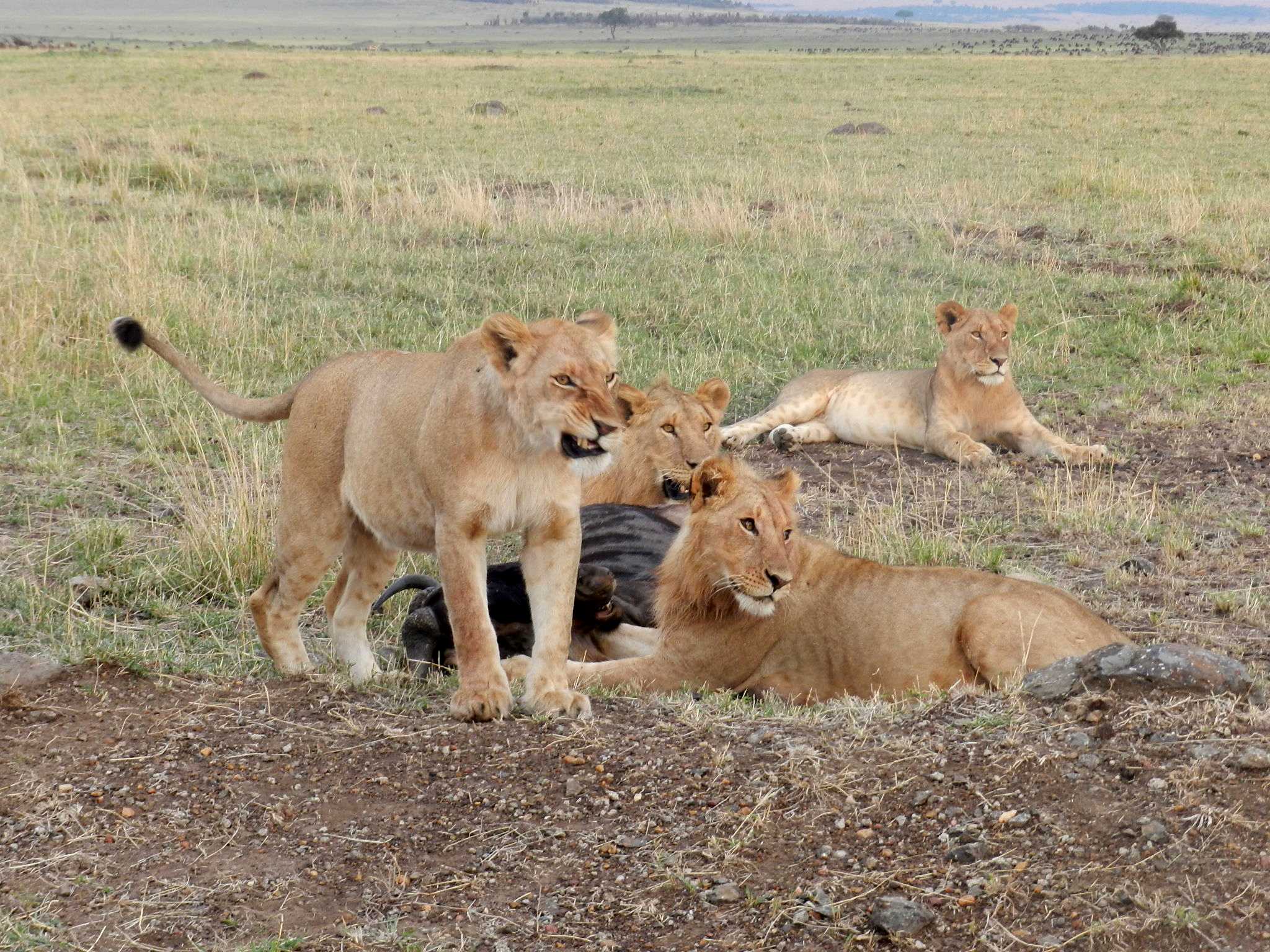
Some scientists theorize that the beard might also be a clever defense mechanism. Imagine a hungry lion, trying to sink its teeth into a gnu’s neck. Now, picture that same lion encountering a gnu with a thick, unruly beard. It’s much harder to get a grip on the gnu’s scruffy face, making it a little more difficult for predators to get a good bite in. Maybe that’s why gnus are the ultimate underdogs in the wild. Even their beards are fighting back.
A Day in the Life of a Bearded Gnu
Being a bearded gnu is a full-time commitment. From the early morning hours when the herd begins its migration to the evening when the sun sets over the savannah, these gnus are constantly grazing. A few members of the herd can be seen with their heads held high, almost like they’re flaunting their beards for all to see.
You can come See the bearded Gnus on our 3 nights 4 Days Safari in the Maasai mara here is teh Customised itenerary just for you
Throughout the day, you might catch a bearded gnu casually shaking its head, causing its facial hair to sway in the breeze like some kind of wild, grass-fed shampoo commercial. If the herd encounters a water hole, the bearded gnu might even dip its head low, allowing the wetness of the water to transform its beard into an even wilder, more disheveled masterpiece.
But it’s not all glamour. Bearded gnus face the same challenges as the rest of the herd, from predators lurking in the grass to the harsh African heat. They have to graze, migrate, and avoid getting eaten—beard or no beard. But at least they can do it with a little more flair.
Bearded Gnus in Pop Culture
While the bearded gnu has yet to become the subject of any blockbuster films (we’re looking at you, National Geographic), it’s not hard to imagine this charismatic creature as the next big thing in the animal world. Perhaps they could star in a nature documentary where they are followed around by a camera crew as they negotiate the complex world of animal relationships—oh, and maybe throw in some slow-motion shots of their beards flowing majestically in the wind for dramatic effect.
In Conclusion: The Gnu-ty Reality
The bearded gnu may not be the most famous animal in the savannah, but it certainly has an undeniable charm. Whether they’re using their facial hair as a tool for survival or just a way to impress potential mates, these bearded wonders add an extra layer of personality to an already fascinating species.
So, next time you see a herd of gnus out grazing, don’t forget to tip your hat to the bearded ones—because let’s face it, not everyone can pull off the “wild mane” look quite as effortlessly as they do.